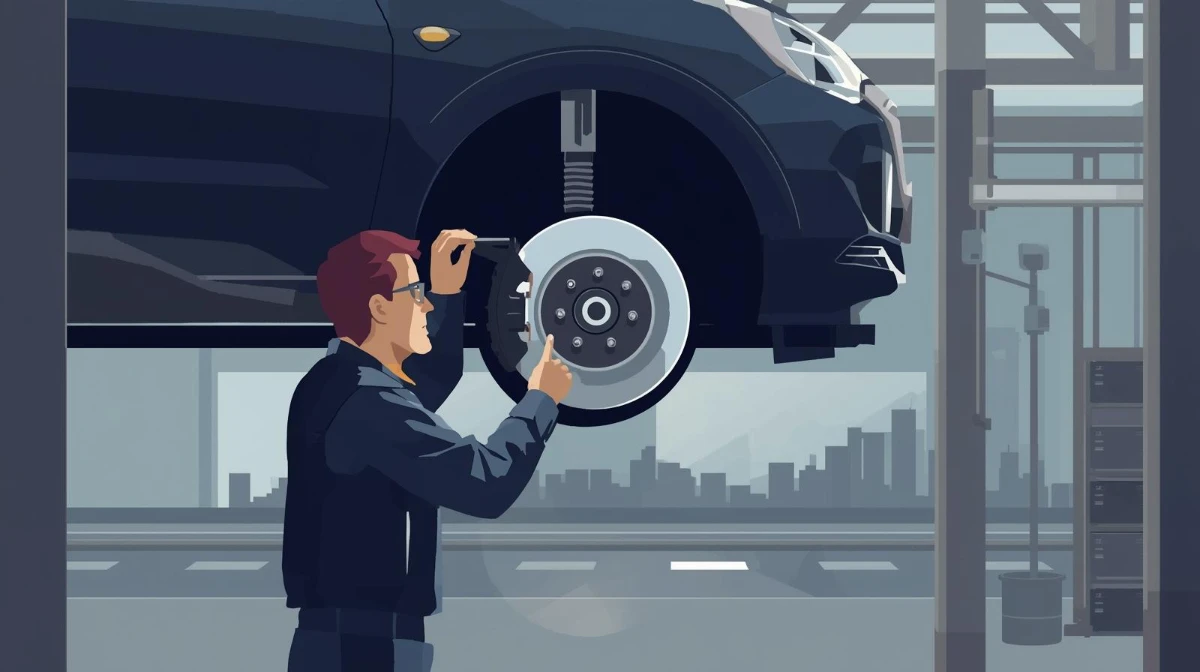
Experiencing car shaking when braking—whether driving at highway speeds or on city roads—is a clear warning that your vehicle’s braking, suspension, or wheel-related components need attention. Vibrations during braking can range from a light steering wheel shake to a full-body vehicle wobble, and ignoring these symptoms may lead to dangerous driving conditions.
Below is the most detailed, expert-level, SEO-optimized guide explaining every possible cause of brake-related vibration in both city and highway conditions.
Understanding Why Your Car Shakes When Braking
Your car can shake during braking due to issues in:
- Front or rear brakes
- Suspension system
- Tires or wheels
- Steering components
- Alignment or balancing
The intensity and speed at which the shaking happens help identify the underlying cause.
Car Shakes When Braking on the Highway (High-Speed Braking)
Highway-speed braking (60–120 km/h) puts maximum stress on your braking system. Most vibrations at high speed come from components that spin fast—rotors, tires, wheels, and suspension.
1. Warped Brake Rotors (Most Common Cause at High Speed)
Warped or uneven rotors cause the brake pads to grab inconsistently, resulting in strong vibration.
Symptoms
- Steering wheel shaking at high speeds
- Pulsating brake pedal
- Vibration disappears when not braking
Why It Happens
- Hard braking at high speeds
- Overheated rotors
- Cheap or worn-out pads
Fix
Replace or resurface the rotors and install new brake pads.
2. Wheel Balancing Problems
Poorly balanced wheels cause strong vibration at higher speeds, especially during braking.
Symptoms
- Shaking at speeds above 60 km/h
- Slight vibration even without braking
- More noticeable on the steering wheel
Fix
Get computer wheel balancing for all four wheels.
3. Worn Suspension Parts
High-speed braking transfers load to the suspension. Worn or loose parts cause instability.
Possible Faulty Components
- Control arm bushings
- Tie rod ends
- Ball joints
- Struts/shock absorbers
Fix
Complete suspension inspection and replacement of worn components.
4. Uneven Tire Wear or Weak Tires
Old, cracked, or unevenly worn tires shake more at high speed—worse when braking.
Fix
Rotate or replace the tires and check alignment.
Car Shakes When Braking in the City (Low-Speed Braking)
City driving involves slow-speed braking (10–50 km/h). Vibrations here are usually due to brake components rather than wheels/suspension.
1. Uneven Brake Pad Wear
Brake pads can wear unevenly due to sticking calipers or poor-quality material.
Symptoms
- Vibration at slow speeds
- Squealing or grinding noise
- Reduced braking power
Fix
Replace brake pads and clean the entire brake assembly.
2. Sticking Brake Caliper
A stuck caliper puts uneven pressure on the rotor, causing the car to shake even at slow speeds.
Symptoms
- Car pulls to one side
- Burning smell
- Wheel gets hot
Fix
Service or replace the caliper immediately.
3. Rotor Hot Spots (City Stop-and-Go Traffic)
Short, frequent braking in traffic can overheat rotors and create uneven surfaces.
Fix
Resurface or replace the rotors.
4. Loose Wheel Bolts
A surprisingly common cause of slow-speed wobbling is improperly tightened wheel nuts.
Fix
Torque the wheel bolts to manufacturer specifications.
When Your Car Shakes in Both City and Highway
If the shaking happens at all speeds, the issue is more severe:
1. Severely Warped Rotors
2. Bad Wheel Alignment
3. Damaged Suspension Components
4. Worn Tires with Internal Damage
5. Faulty Driveshaft or CV Joint (in some cars)
These require immediate inspection to avoid further damage.
Is It Safe to Drive When Your Car Shakes While Braking?
No.
Shaking during braking can lead to:
- Increased stopping distance
- Loss of steering control
- Brake system failure
- Tire blowout at high speeds
Get your car inspected as soon as possible.
Best Immediate Fixes
✔ Brake inspection (pads + rotors)
✔ Wheel balancing
✔ Alignment check
✔ Suspension check
✔ Tire rotation or replacement
Final Verdict
If your car shakes when braking in both city and highway, it almost always points to brake rotor issues, poor wheel balancing, or worn suspension parts. Addressing these problems early restores smooth braking, enhances safety, and prevents expensive repairs.